
|
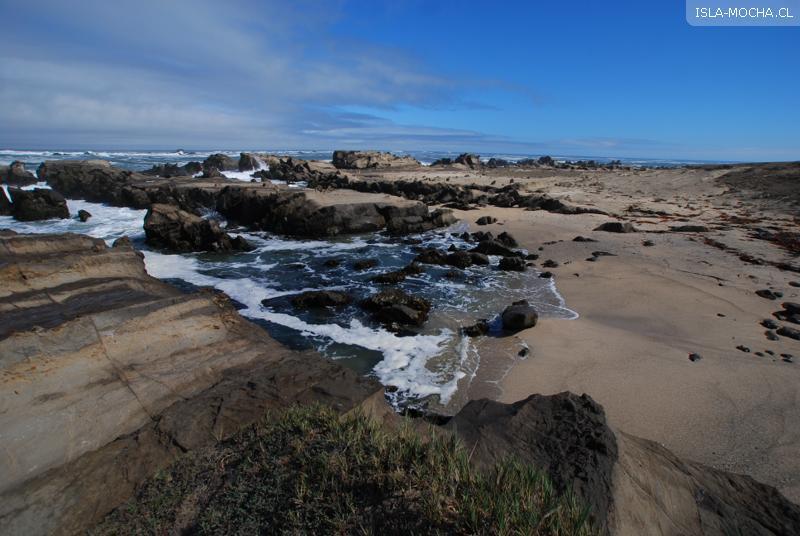
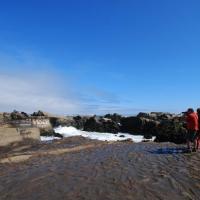
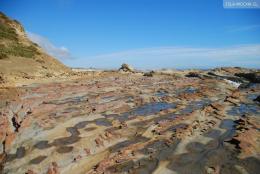
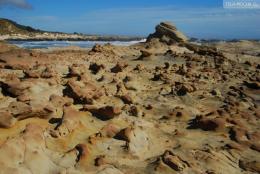
Fishing in the mocha island’s water in a totally incredible experience. Its intensity beautiful island, it’s relaxing and with landscapes hard to describe. It’s possible to fish from the sunrise until the last hours in the evening, and to do it from the beach, on the rocks or on a ship. Slightly deep waters exist, where soles of great size live, and channels where big puddles are formed with bottom of white sands. Where big corvinas (pork), it’s said this way because they are of big sizes and its feeding is based on small crustaceans, also a great variety of species which inhabits the island of sports value exist, such swordfishes, jurels, bass and tollos.
|
|
| Explorative skin-diving to sunken ships: |
In Mocha Island there are more than 100 sinkings of ships, that date back to hundreds of years behind. This island was visited by English and Dutch pirates, as Francis Drake and Oliver Van Noort, using it as a base of supply of water, meats, barley, that were obtained by exchanges with the natives who inhabited the island (lafkenches), all of these shipwrecks happen near to the Mocha’s coast, hypnotized by its scenic beauty or looking for refuge. A great variety of shoals of white sands and green waters, and also islets which were real tramps for these navigators. Remains as those of the Illimaní, Santiago, y Loseta become this skin-diving immensely interesting.
|
|
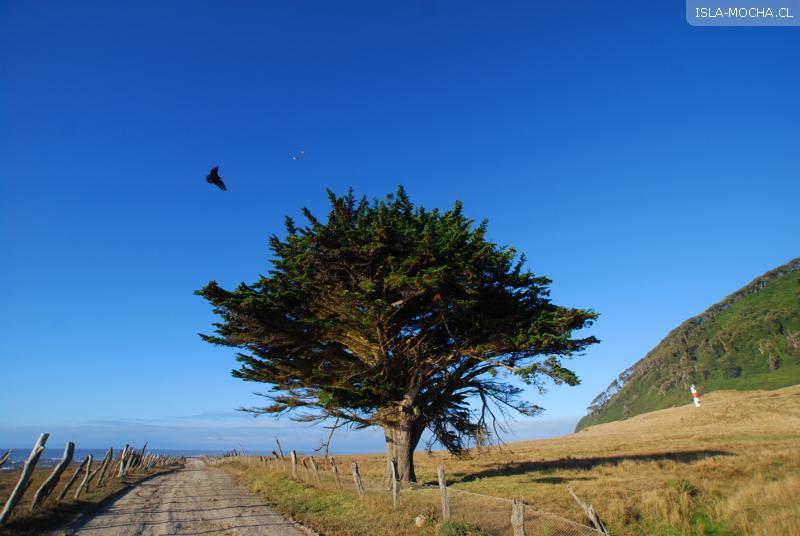
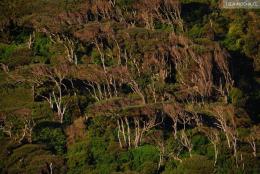
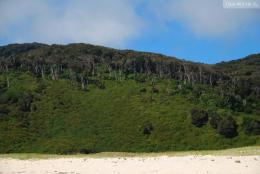
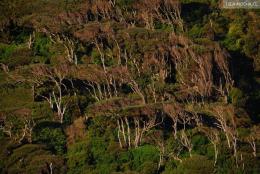
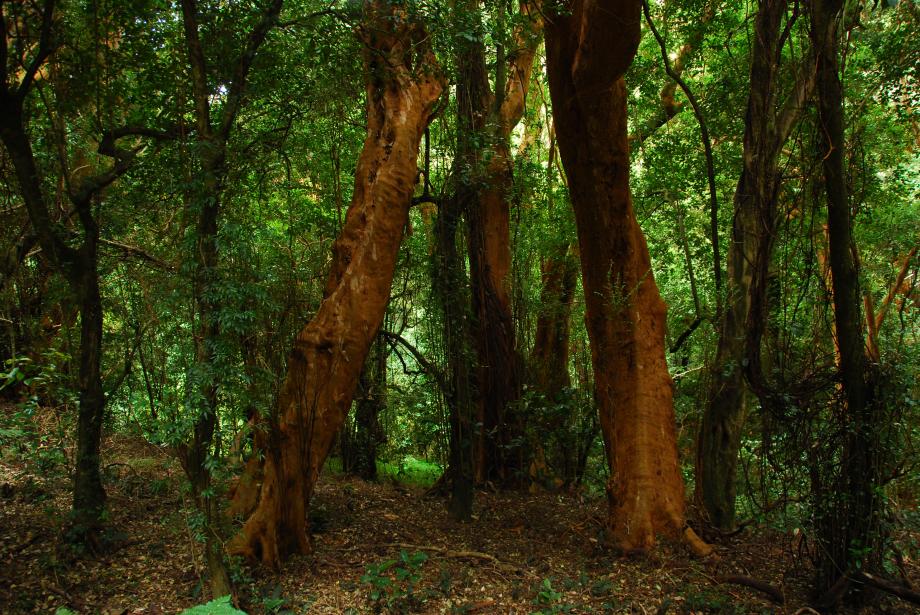
 The Mocha Island National Reserve covers an area of 2.367,95 Ha., 45% of the island surface. Two mountain chains form the high part of the island, running parallel to the coast in a north south trajectory.
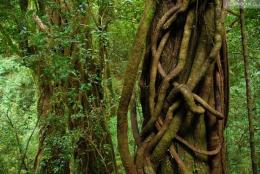
Al internarse mas hacia en el Sendero ascender en altitud hacia la montaña, la Flora y Fauna tiene un notable incremento, tanto en su densidad como en la variedad.
New way footpath:
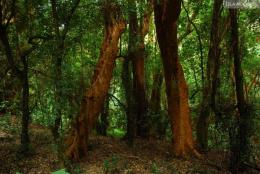
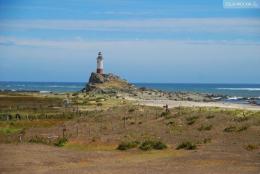
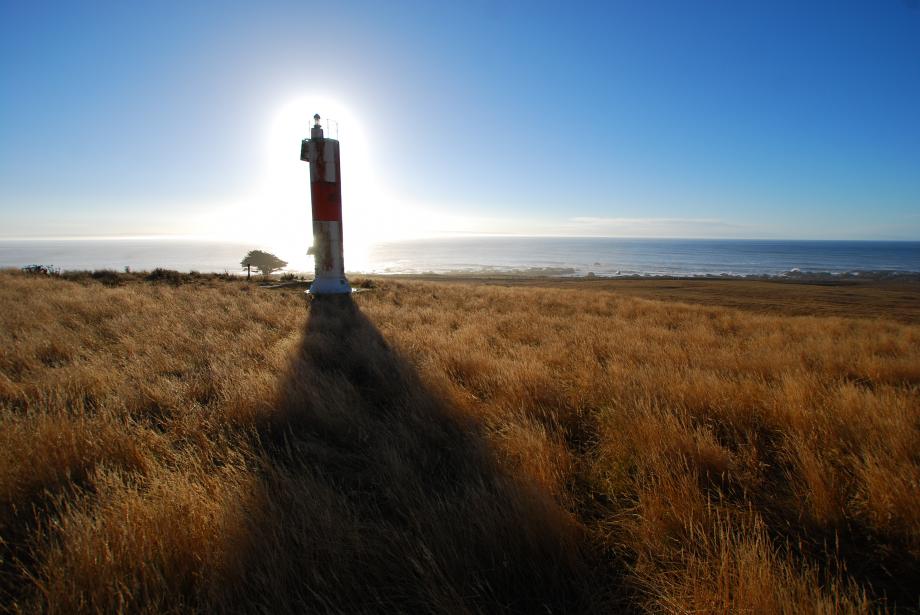
It takes one hour and a half, it’s signposted and it’s clear. It cross the island from East to west, walking along a footpath of virgin nature with ferns, olive trees, mosses, nalcas, notros, cinnamon-trees, pellines, hazels and myrtles of great size, and a fauna with a great variety of species as castilian fardela, choroy, cachañas and the beautiful chucao. Finishing this footpath it’s possible to get to a viewpoint which has an impressive view to the Old Lighthouse.
Footpath to the lagoon:
It takes 3 hours the going and the coming back. This footpath is no very visited, and it’s totally signposted by CONAF. It’s a footpath of really interesting for the observation of the existing fauna, turning this lagoon into refuge of migratory birds, as the Castilian Fardela.
|
|
Birds Island
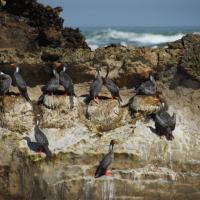
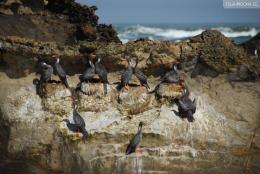
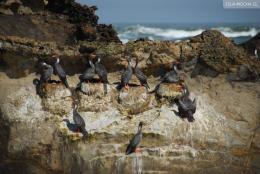
It has a great variety and quantity of nesting birds, such Imperial Cormorants, penguin of Magallanes , penguin of Humboldt, and gulls.
Sea lions colonies:
A population of around 2 thousand “three hair” sea lions and ordinary sea lions live in this islet.
Agrotourism:
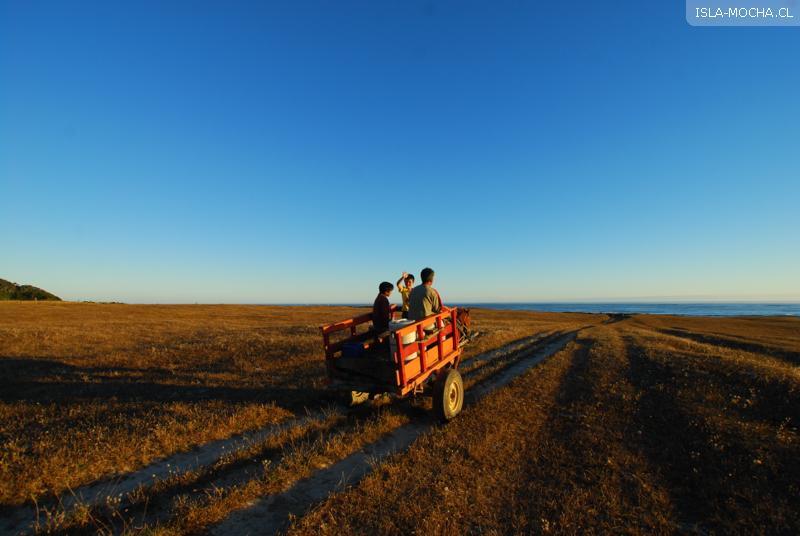
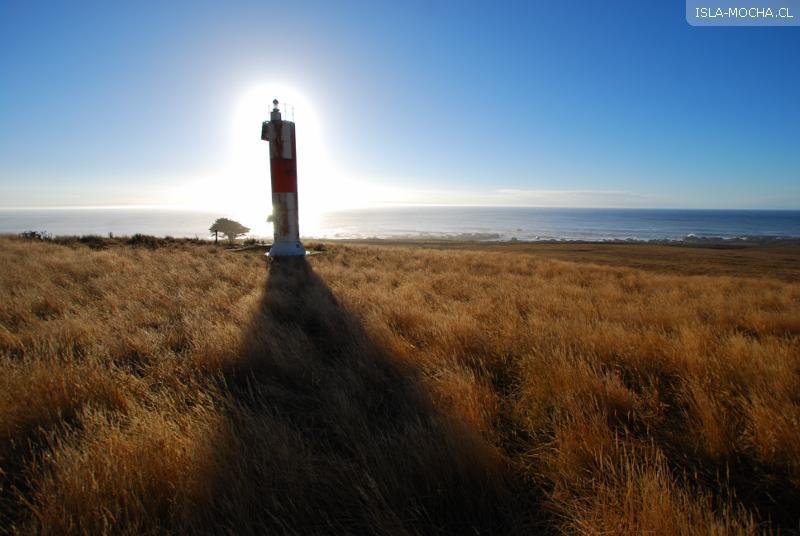
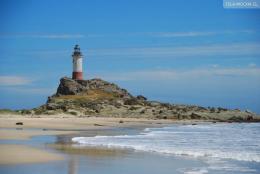
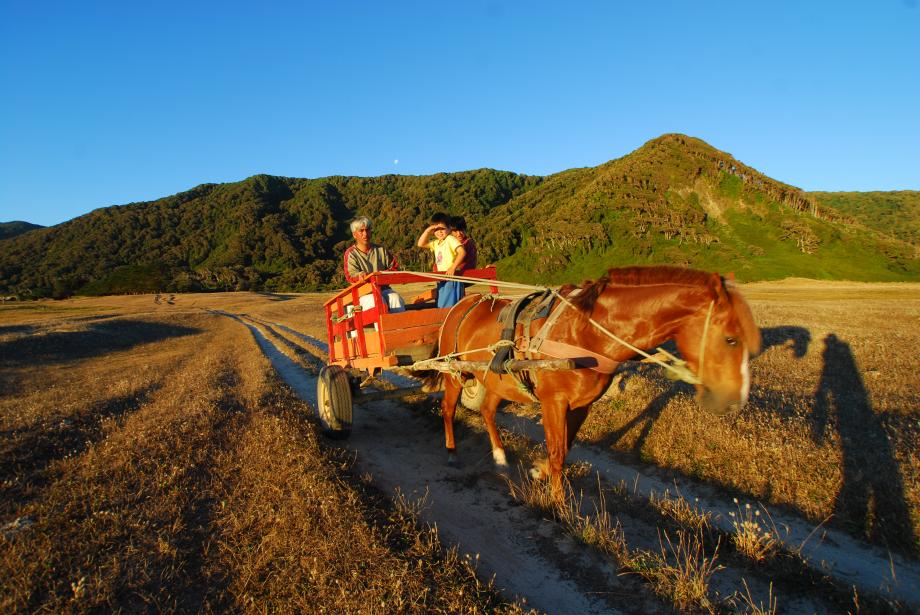
Enjoy the country and beach from a different perspective. Participle in activities such as milking, feeding livestock, cart rides, horseback rides, rural lunch, compilation of sea product, and visits to the second oldest lighthouse in Chile. |
|
|